Underground Cable Project
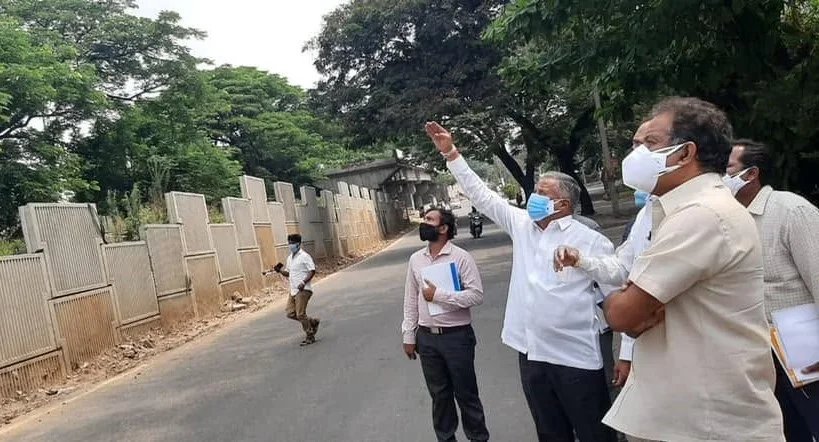
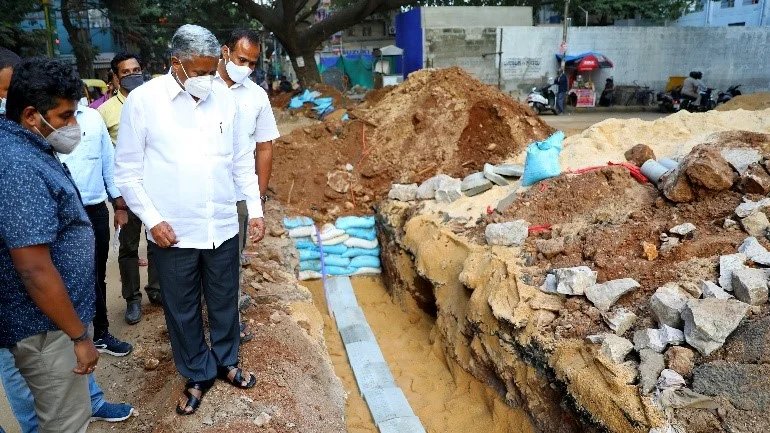
Most parts of the Govindarajanagar Assembly Constituency were traversed by 66 kV High Tension (HT) overhead power lines. For nearly 35–40 years, thousands of families had been living beneath these high-tension transmission lines, posing serious safety concerns and affecting their quality of life.
To provide a permanent solution to this long-standing issue, discussions were held with the Hon'ble Chief Minister, following which the existing 5.5 km-long 66 kV HT overhead transmission line was converted into a 7.5 km underground cable network. This landmark project has significantly enhanced public safety while also improving the urban landscape.
The underground cable network passes through several areas of the Govindarajanagar Assembly Constituency, including Rajajinagar 6th Block, Industrial Area, Dr. B.R. Ambedkar Playground, BRI Colony, Agrahara Dasarahalli, Govindarajanagar, Marenahalli, Maruthi Mandir, Chandra Layout, and Gangondanahalli, benefiting thousands of residents with a safer and more secure living environment.
Renovation of Sri Balagangadharanatha Swamiji Stadium and Ambedkar Stadium to International Standards
Railway Underpass
V. Somanna gave special attention to the construction of a railway underpass in Pantharapalya to address the difficulties faced by the public while crossing railway tracks. The underpass provided an easier alternative route for local residents, improving convenience and safety for commuters.

Construction of the West of Chord Road Flyover
The West of Chord Road flyover was constructed to address severe traffic congestion within the constituency.
Measuring 735 metres in length and 15 metres in width, the flyover connects the southern and western parts of Bengaluru with other areas and has been opened to public traffic.
Designed to facilitate two-way traffic, the flyover helps reduce travel time and ease commuting difficulties. It was constructed under the Chief Minister’s Nagarothana Scheme at the junction connecting Rajajinagar’s Chord Road and Basaveshwaranagar Main Road.
The flyover facilitates smoother, signal-free movement for vehicles travelling through Rajajinagar, Vijayanagar, Basaveshwaranagar and Yeshwanthpur, as well as those heading towards North Karnataka. It also provides an important connectivity link between Mysuru Road and Yeshwanthpur.
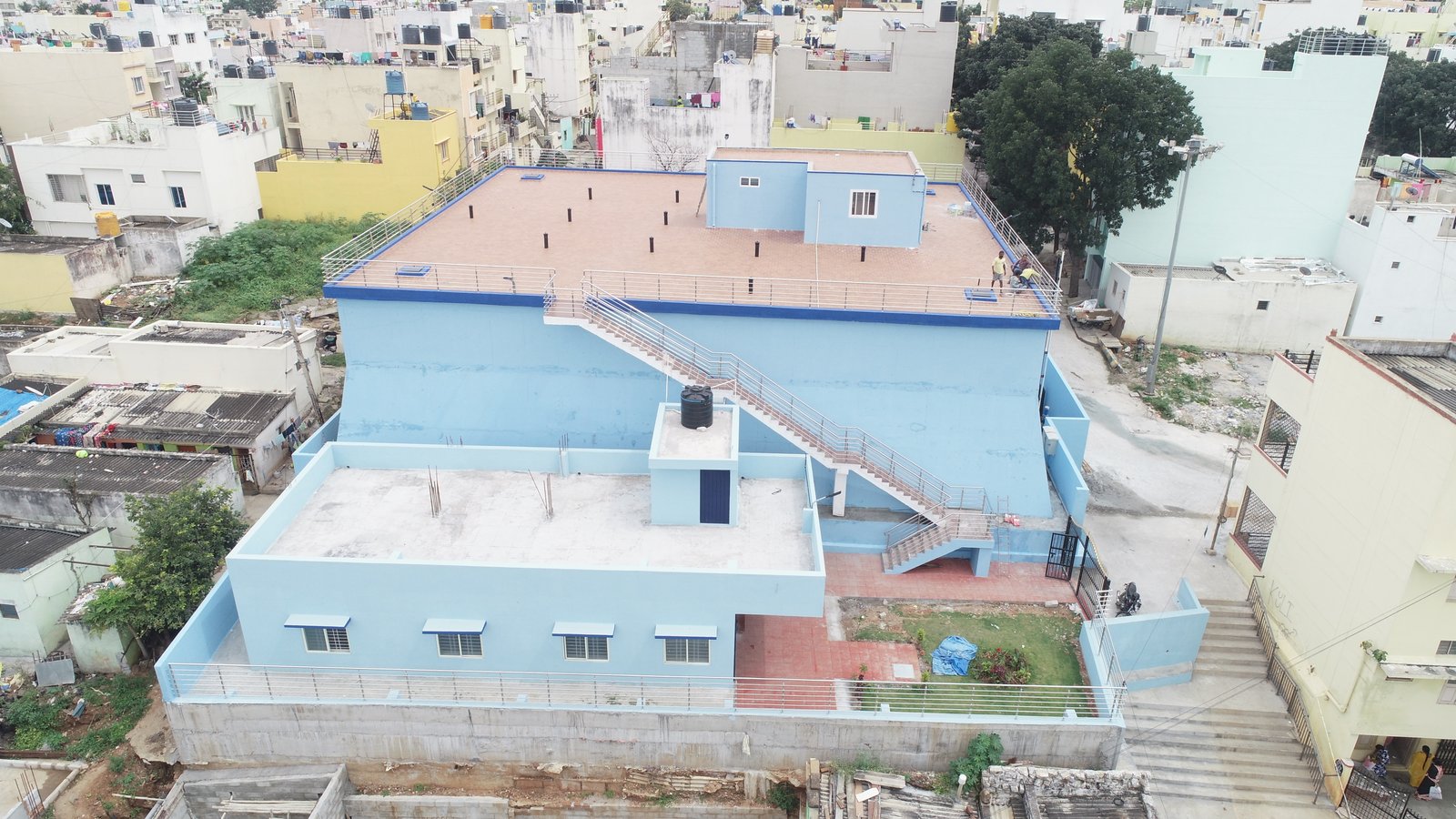
Ground-Level Water Reservoir (GLR)
Storage Capacity: 4 Million Litres
For nearly 10 years, an adequate water supply remained an unfulfilled dream for various localities in Annapoorneshwari Nagar. Through the efforts and commitment of V. Somanna, this long-standing need was addressed. The project benefited residents of Sanjeevininagar, Panchasheela Nagar and Kurilingappa Garden.
Construction of Skywalks
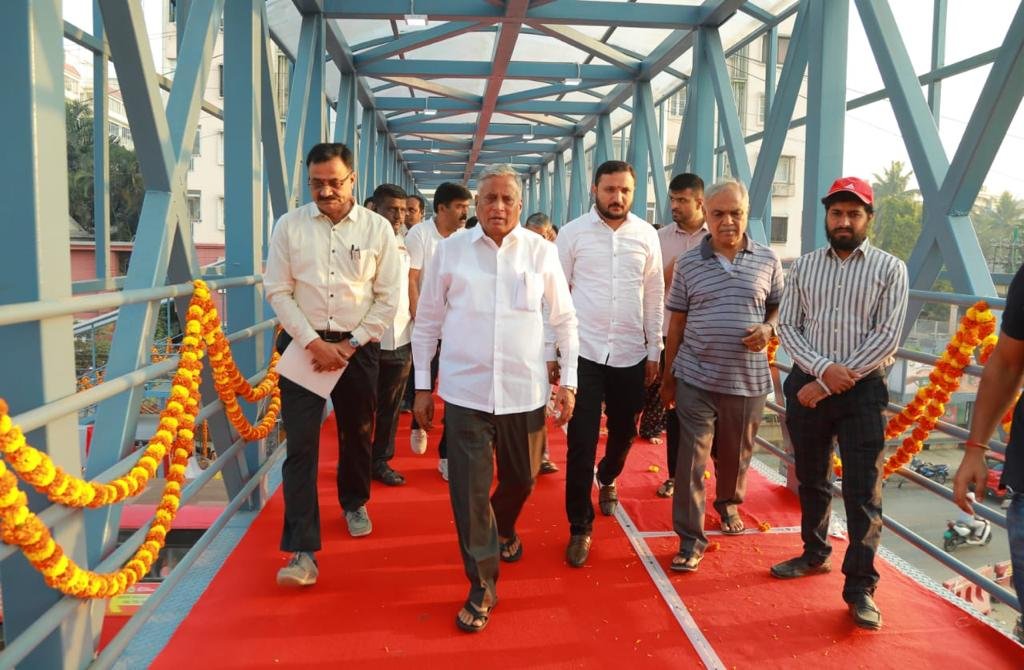
The construction of skywalks at Raheja Park, Nagarabhavi and Nayandahalli aims to provide pedestrians with safe and convenient road-crossing facilities. These initiatives help improve pedestrian safety in busy areas while supporting smoother vehicle movement and reducing traffic interruptions.

Restoration and Rejuvenation of Lakes
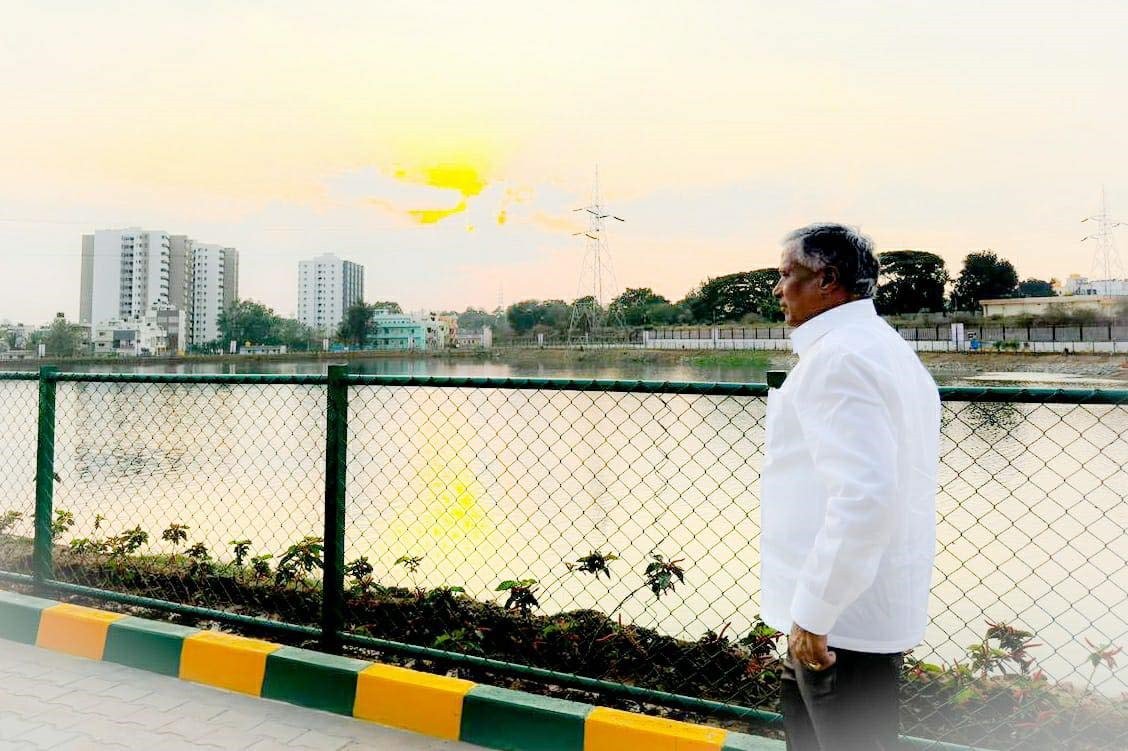
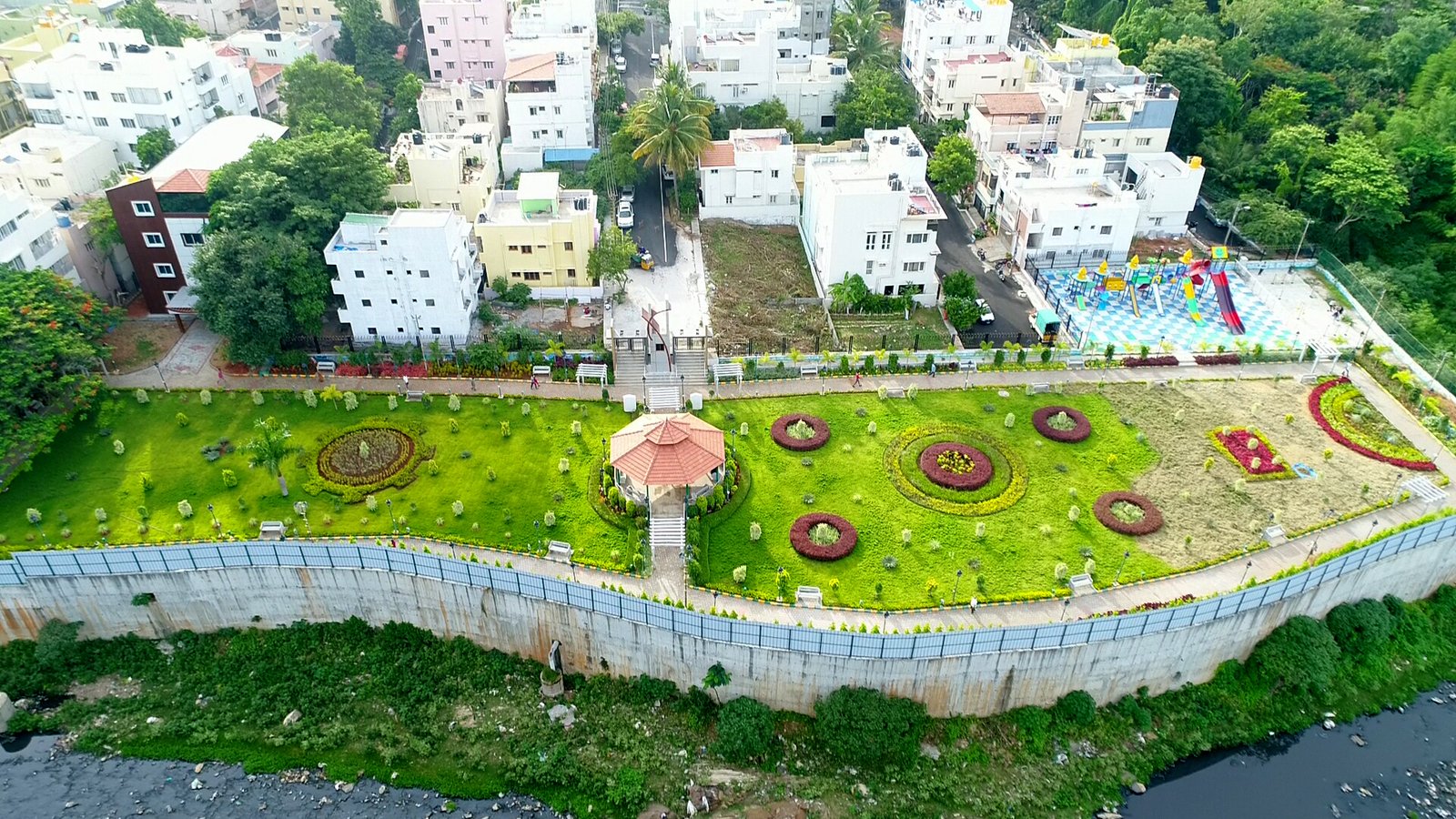
A plan was developed to rejuvenate the lake located within the Balaiyyana Kere Park premises. The park has been developed as an attractive recreational destination with a distinctive place among Bengaluru’s parks.
The park features a state-of-the-art Sewage Treatment Plant (STP) using advanced membrane technology, introduced for the first time in the state. Sewage, wastewater and rainwater from Kaveripura Ward and surrounding areas are treated using this technology and channelled into Balaiyyana Kere. This initiative is expected to improve groundwater levels across a radius of approximately 10 km.
A plan was also drawn up to rejuvenate the 15-acre lake in Nayandahalli Ward, which has a storage capacity of 120 million litres. The Bengaluru Water Supply and Sewerage Board (BWSSB) will supply treated wastewater to the lake, helping improve groundwater levels in the surrounding areas. The lake is envisioned as one of Bengaluru’s major water bodies for storing treated wastewater.